
Charger Features
EV chargers are not all the same and the differences are important to understand. When it comes to
choosing an EV charger, you might need some help with the jargon.
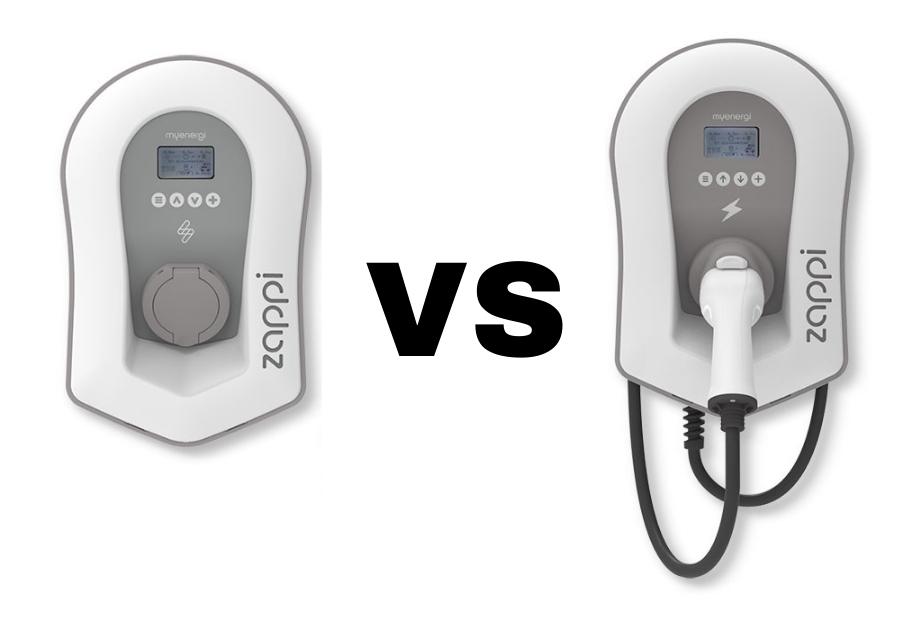
Tethered or Untethered?
Tethered chargers have the charging cable permanently attached to the charging unit, while untethered chargers have a detachable cable. There are pros and cons to both.
With a tethered charger, the cable is permanently attached. The cable is protected from damage or wear from repeated connecting and disconnecting. However, the fixed cable length limits where vehicles can park to charge.
Untethered chargers offer more flexibility on vehicle positioning. The cable can be stored neatly away when not needed. Users can unplug the cable and take it with them if they want to charge somewhere else. However, detachable cables are at risk of damage and theft, and cables can be an additional purchase.
Single Phase or 3-Phase?
The type of charger you will need depends on the electricity supply to your home. If you have a single-phase electricity supply, you will need a single-phase charger. If you have a three-phase electricity supply, you will need a three-phase charger. The majority of electric car chargers on the market are single-phase, but there are a few three-phase chargers available.
Solar Integration
If you have solar panels, you will benefit from having a solar-ready charger. For solar EV charging, the inverter routes surplus solar energy directly to a smart EV charger. This charges the EV battery just like plugging into a wall outlet. Any excess solar goes back into the home’s electrical system or battery.
Smart Chargers Explained
Smart chargers connect the vehicle to your Wi-fi so information can be sent and received. You can analyse charging times, usage and performance. You have the ability to check how the charging process is progressing using an app on your phone, even when you are away from your vehicle. To save money, charge times can be set to make use of off-peak electricity. You can programme on and off times to suit your needs.
Design Features
Remember to consider the way the unit looks; it will be visible for many years to come! Look at the size, colour and shape of the wall box and whether it has lighting. Our range offers several different designs to choose from.
Single Phase or 3-Phase?
The type of charger you will need depends on the electricity supply to your home. If you have a single-phase electricity supply, you will need a single-phase charger. If you have a three-phase electricity supply, you will need a three-phase charger. The majority of electric car chargers on the market are single-phase, but there are a few three-phase chargers available.
Smart Chargers Explained
Smart chargers connect the vehicle to your Wi-fi so information can be sent and received. You can analyse charging times, usage and performance. You have the ability to check how the charging process is progressing using an app on your phone, even when you are away from your vehicle. To save money, charge times can be set to make use of off-peak electricity. You can programme on and off times to suit your needs.
Solar Integration
If you have solar panels, you will benefit from having a solar-ready charger. For solar EV charging, the inverter routes surplus solar energy directly to a smart EV charger. This charges the EV battery just like plugging into a wall outlet. Any excess solar goes back into the home’s electrical system or battery.
Design Features
Remember to consider the way the unit looks; it will be visible for many years to come! Look at the size, colour and shape of the wall box and whether it has lighting. Our range offers several different designs to choose from.