How Solar Panels Work: A Simple Guide for Homes
Understanding how solar panels work can help you feel confident about investing in renewable energy. Across Oxfordshire, more households are choosing solar PV systems to reduce energy bills, increase energy independence and improve sustainability. With rising electricity costs and growing environmental awareness, solar energy has become an increasingly attractive option for homes of all sizes.

Why you can trust our content
We know that the solar industry is full of misinformation, but we only use reliable sources, including:


At a glance
Solar panels provide a reliable way to generate electricity using daylight, helping households lower their reliance on the national grid while reducing their carbon footprint. Whether you are exploring solar for the first time or looking to better understand how a system functions, this guide explains how solar panels work and what to expect from a modern solar PV installation.
How Do Solar Panels Generate Electricity?
Solar panels work by converting daylight into usable electricity through photovoltaic (PV) cells. These cells are typically made from silicon and are designed to absorb light energy from the sun. When daylight hits the PV cells, it creates an electrical charge that produces direct current (DC) electricity.
Because homes use alternating current (AC) electricity, the DC electricity generated by the panels must be converted before it can power appliances. This is where the inverter plays a key role. The inverter converts DC electricity into AC electricity, making it suitable for everyday household use, from lighting and heating systems to kitchen appliances and electronics.
Importantly, solar panels do not need direct sunlight to work. They generate electricity from daylight, which means they can still produce power on cloudy days, making them suitable for the UK climate.
The Key Components of a Solar PV System
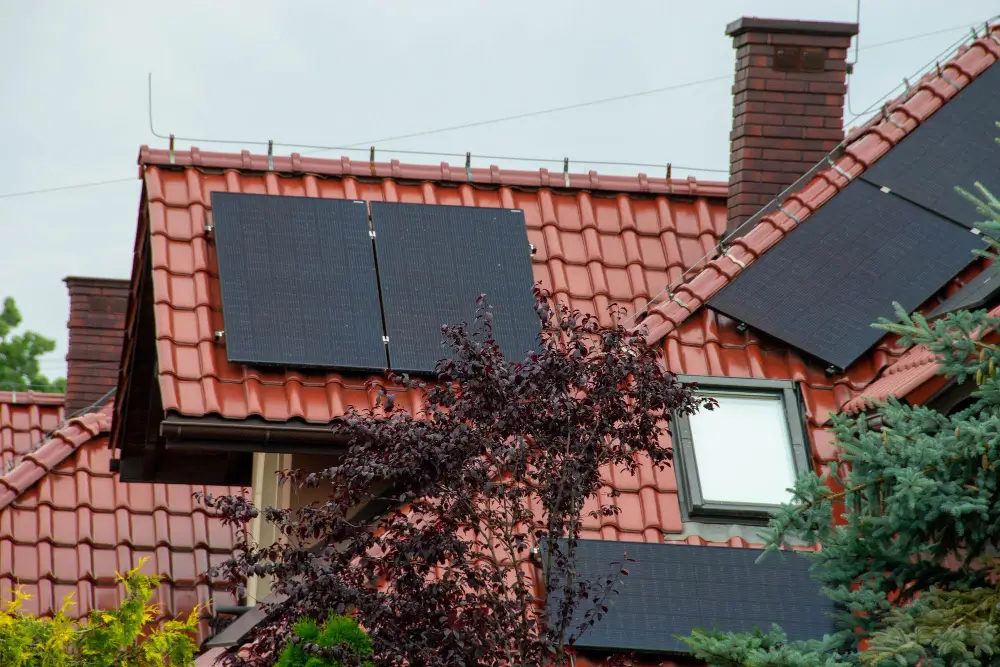
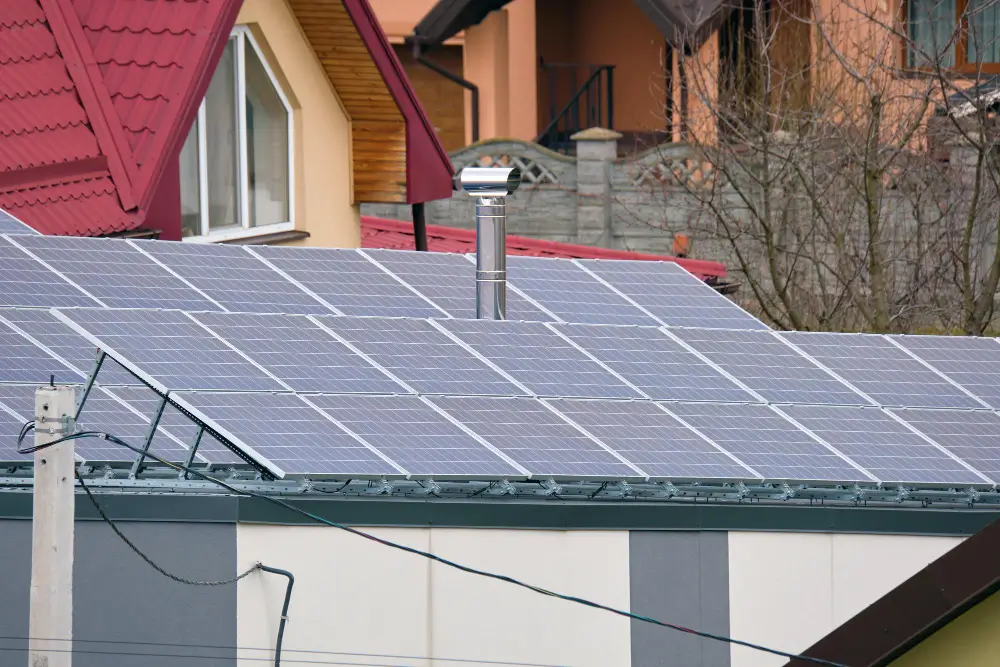
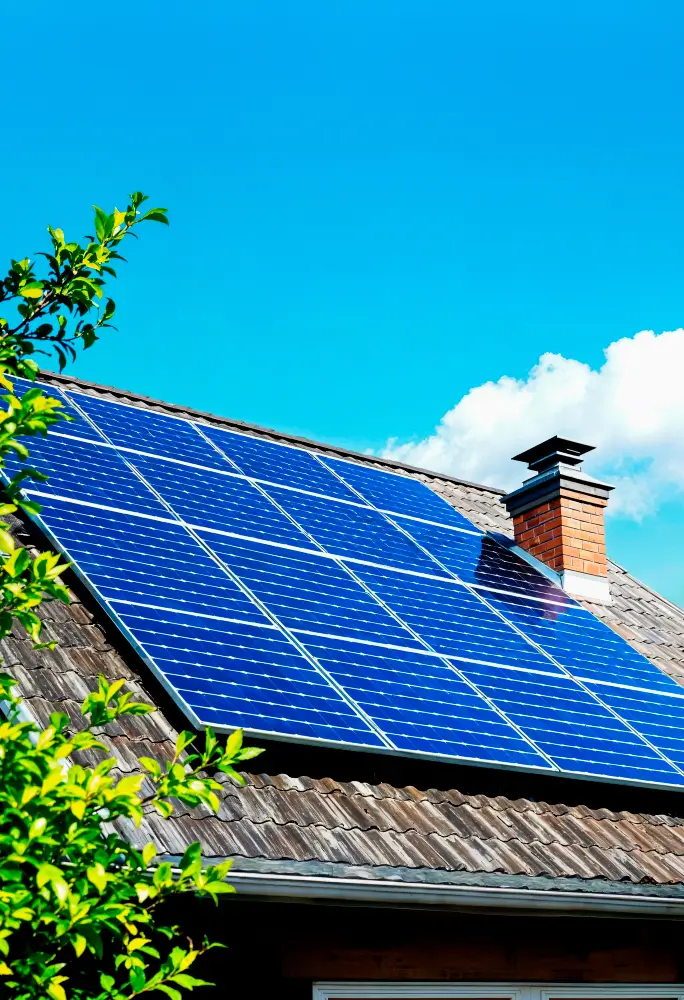
A solar PV system consists of several essential components that work together to generate and manage electricity efficiently. The most visible element is the solar panels themselves, which are usually installed on the roof where they can receive maximum daylight exposure throughout the day.
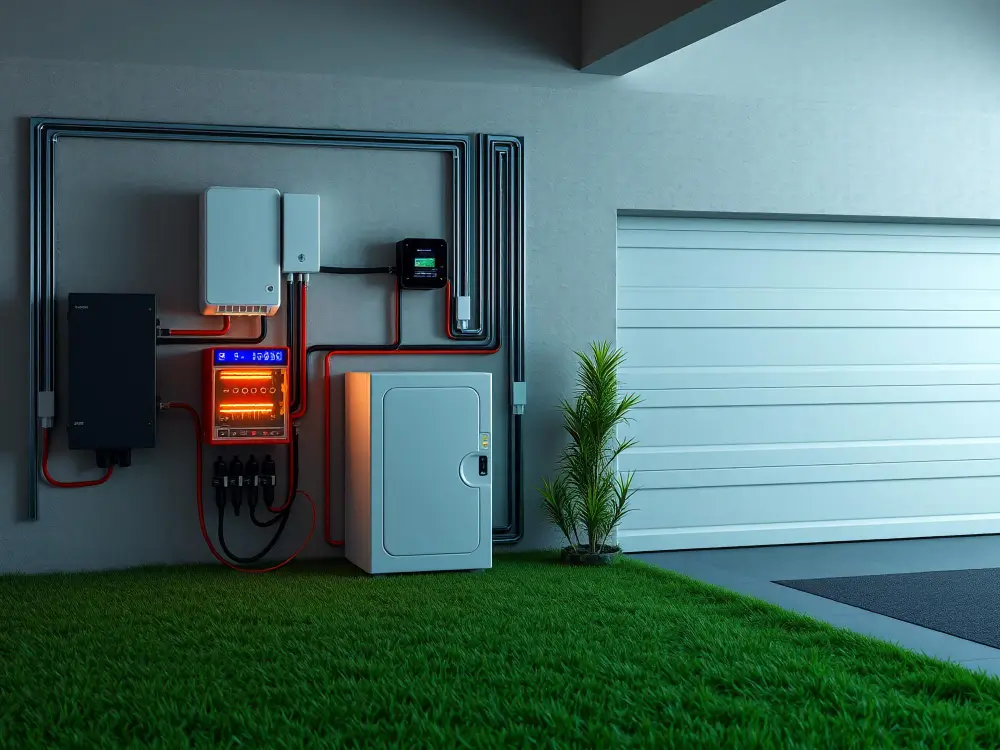
The inverter is another crucial component, as it converts the electricity generated by the panels into a usable format for the home. Some systems use a single central inverter, while others may use microinverters or hybrid inverters, particularly where battery storage is included.
Mounting equipment secures the panels safely to the roof and ensures they are positioned at the optimal angle for energy generation. Many systems also include a monitoring system, allowing homeowners to track how much electricity their solar panels are producing and how much energy is being used in real time.
Great! Now select the type of property

Detached House

Semi Detached House
Terraced House
Flat or Apartment
Bungalow
It just takes 60 Seconds
And then you can book a free consultation
Using and Storing Solar Energy in Your Home
Electricity generated by solar panels is first used to power your home. This means that during daylight hours, appliances can run using solar energy rather than drawing electricity from the grid. If your solar panels produce more electricity than your home needs at any given time, the surplus energy can be exported back to the grid.
Many homeowners in Oxfordshire choose to include battery storage as part of their solar PV system. Battery storage allows excess energy generated during the day to be stored and used later, such as in the evening or overnight. This is particularly beneficial for households with lower daytime electricity usage, as it increases self-consumption and reduces reliance on grid electricity.
Do Solar Panels Work on Cloudy Days?
A common question is whether solar panels work effectively in the UK’s often cloudy weather. Solar panels do not require direct sunlight to generate electricity; they work using daylight. While energy output is lower on darker or overcast days, solar panels still produce electricity year-round.
Homes across Oxford, Bicester, Abingdon, Banbury and Didcot, continue to benefit from solar energy even during winter months. Seasonal variations are expected, but a well-designed system will generate sufficient energy over the course of the year to deliver meaningful savings.
How Long Do Solar Panels Last?
Modern solar panels are built to last 25 years or more, with many systems continuing to operate efficiently well beyond this timeframe. Most manufacturers provide long-term performance warranties, offering reassurance that panels will maintain a high level of output over time.
Inverters generally have a shorter lifespan and may need replacing after 10 to 15 years, depending on the type of system installed. Overall, solar PV systems require very little maintenance, with occasional inspections and cleaning usually sufficient to keep them operating efficiently.
TRS Energy installs high-quality solar PV systems designed for long-term performance, ensuring homeowners benefit from reliable energy generation for decades.
Monitoring Your Solar Energy Usage
Modern solar PV systems include monitoring tools that allow homeowners to track energy production and usage through a mobile app or online platform. Monitoring helps you understand when your system is generating the most electricity and how much energy your household is consuming.
By using this information, homeowners can optimise appliance use, such as running washing machines or dishwashers during peak solar generation hours. This helps maximise self-consumption and increases overall savings from the system.
Why Professional Installation Matters
Correct system design and professional installation are essential for both performance and safety. Factors such as roof orientation, shading, system size and electrical setup all influence how effectively a solar PV system will perform.
TRS Energy ensures solar panels are installed correctly and comply with all UK regulations across Oxford, Bicester, Abingdon, Banbury and Didcot. Professional installation ensures optimal energy generation, long-term reliability and full compliance with safety standards, giving homeowners peace of mind when investing in solar energy.
To learn more about how solar panels could work for your home in Oxfordshire, contact TRS Energy today to arrange a professional solar assessment.
Related articles
Great! Now select the type of property
Detached House
Semi Detached House
Terraced House
Flat or Apartment
Bungalow
At a glance
Solar panels provide a reliable way to generate electricity using daylight, helping households lower their reliance on the national grid while reducing their carbon footprint. Whether you are exploring solar for the first time or looking to better understand how a system functions, this guide explains how solar panels work and what to expect from a modern solar PV installation.
How Do Solar Panels Generate Electricity?
Solar panels work by converting daylight into usable electricity through photovoltaic (PV) cells. These cells are typically made from silicon and are designed to absorb light energy from the sun. When daylight hits the PV cells, it creates an electrical charge that produces direct current (DC) electricity.
Because homes use alternating current (AC) electricity, the DC electricity generated by the panels must be converted before it can power appliances. This is where the inverter plays a key role. The inverter converts DC electricity into AC electricity, making it suitable for everyday household use, from lighting and heating systems to kitchen appliances and electronics.
Importantly, solar panels do not need direct sunlight to work. They generate electricity from daylight, which means they can still produce power on cloudy days, making them suitable for the UK climate.
The Key Components of a Solar PV System
A solar PV system consists of several essential components that work together to generate and manage electricity efficiently. The most visible element is the solar panels themselves, which are usually installed on the roof where they can receive maximum daylight exposure throughout the day.
The inverter is another crucial component, as it converts the electricity generated by the panels into a usable format for the home. Some systems use a single central inverter, while others may use microinverters or hybrid inverters, particularly where battery storage is included.
Mounting equipment secures the panels safely to the roof and ensures they are positioned at the optimal angle for energy generation. Many systems also include a monitoring system, allowing homeowners to track how much electricity their solar panels are producing and how much energy is being used in real time.
Great! Now select the type of property
Detached House
Semi Detached House
Terraced House
Flat or Apartment
Bungalow
It just takes 60 Seconds
And then you can book a free consultation
Using and Storing Solar Energy in Your Home
Electricity generated by solar panels is first used to power your home. This means that during daylight hours, appliances can run using solar energy rather than drawing electricity from the grid. If your solar panels produce more electricity than your home needs at any given time, the surplus energy can be exported back to the grid.
Many homeowners in Oxfordshire choose to include battery storage as part of their solar PV system. Battery storage allows excess energy generated during the day to be stored and used later, such as in the evening or overnight. This is particularly beneficial for households with lower daytime electricity usage, as it increases self-consumption and reduces reliance on grid electricity.
Do Solar Panels Work on Cloudy Days?
A common question is whether solar panels work effectively in the UK’s often cloudy weather. Solar panels do not require direct sunlight to generate electricity; they work using daylight. While energy output is lower on darker or overcast days, solar panels still produce electricity year-round.
Homes across Oxford, Bicester, Abingdon, Banbury and Didcot, continue to benefit from solar energy even during winter months. Seasonal variations are expected, but a well-designed system will generate sufficient energy over the course of the year to deliver meaningful savings.
How Long Do Solar Panels Last?
Modern solar panels are built to last 25 years or more, with many systems continuing to operate efficiently well beyond this timeframe. Most manufacturers provide long-term performance warranties, offering reassurance that panels will maintain a high level of output over time.
Inverters generally have a shorter lifespan and may need replacing after 10 to 15 years, depending on the type of system installed. Overall, solar PV systems require very little maintenance, with occasional inspections and cleaning usually sufficient to keep them operating efficiently.
TRS Energy installs high-quality solar PV systems designed for long-term performance, ensuring homeowners benefit from reliable energy generation for decades.
Monitoring Your Solar Energy Usage
Modern solar PV systems include monitoring tools that allow homeowners to track energy production and usage through a mobile app or online platform. Monitoring helps you understand when your system is generating the most electricity and how much energy your household is consuming.
By using this information, homeowners can optimise appliance use, such as running washing machines or dishwashers during peak solar generation hours. This helps maximise self-consumption and increases overall savings from the system.
Why Professional Installation Matters
Correct system design and professional installation are essential for both performance and safety. Factors such as roof orientation, shading, system size and electrical setup all influence how effectively a solar PV system will perform.
TRS Energy ensures solar panels are installed correctly and comply with all UK regulations across Oxford, Bicester, Abingdon, Banbury and Didcot. Professional installation ensures optimal energy generation, long-term reliability and full compliance with safety standards, giving homeowners peace of mind when investing in solar energy.
To learn more about how solar panels could work for your home in Oxfordshire, contact TRS Energy today to arrange a professional solar assessment.
Related articles
Great! Now select the type of property
Detached House
Semi Detached House
Terraced House
Flat or Apartment
Bungalow


